Bajorat Media
Effective keyword research – the most important tools
Discover the best keyword research tools for SEO success, from Google Planner to Moz Explorer. Optimize your strategy with the ideal tool.

Sound keyword research is the be-all and end-all of every SEO strategy. While the Google Keyword Planner is a well-known tool in this area, there are numerous other tools that can help optimize your search engine optimization. In this article we present you a selection of these helpful tools.
The importance of comprehensive keyword research
Thorough keyword research is crucial to increasing your website visibility and attracting relevant visitors. By identifying and targeting the right keywords, you can ensure your content is found by your target audience. This is an ongoing process that should be regularly reviewed and adjusted to reflect changing search trends and competitive conditions. First, we’ll introduce you to the world of keyword research with Google to show you what options Google offers directly for keyword research. We then highlight a selection of powerful, paid tools for keyword research. Finally, we’ll introduce you to free keyword tools that typically have fewer features, but can still provide valuable services for your SEO efforts.
Deepening keyword research with Google
Before we move on to the additional tools, it is important to understand the basic functions that Google itself provides for keyword research. These features form the foundation of any effective SEO strategy and should not be underestimated. 
Google Keyword Planner: the classic with limitations
The most well-known tool for keyword research is without a doubt Google Keyword Planner, an integral part of the Google Ads platform. This tool, designed specifically for AdWords customers, combines the features of its predecessor, the Google Keyword Tool, and the discontinued traffic estimator. It provides users with insight into the average monthly search volume for specific keywords, provides bidding suggestions for advertising campaigns that want to use those keywords, and also suggests similar searches that could be useful for ad strategy. A caveat that deserves attention A major downside to Keyword Planner, however, is that Google has been limiting the accessibility of accurate keyword data to AdWords customers with lower sales for several years now. Instead of exact numbers, search volume is now displayed in broad categories ranging from 0, through ranges of 1 to 100, 100 to 1,000, 1,000 to 10,000, 10,000 to 100,000, and 100,000 to 1 million, to more than 1 million. This change means that users without significant AdWords spend will only receive a rough estimate of search volume for their chosen keywords, which can potentially complicate planning SEO and advertising strategies. This limitation highlights the importance of exploring alternative keyword research tools that can provide more precise data or additional insights, especially for smaller businesses or individuals who want to focus on cost-effectively optimizing their online presence.
Google Trends: Insight into the dynamics of search queries
Another valuable tool in the range of keyword research tools is Google Trends. It offers the unique ability to visualize the popularity of search queries across different time periods. Users can search the data by time periods, geographic regions, categories and even search types such as web, news, shopping and YouTube. This allows for an in-depth analysis of trends and their evolution over time. Potential and Limitations of Google Trends Despite its wide application potential, there are reports indicating occasional unreliability in the data provided by Google Trends. This limitation should be taken into account when interpreting the results. Nevertheless, Google Trends offers fascinating insights, especially when monitoring the evolution of search queries for well-known brands such as Zalando, as well as for specific products such as the iPhone. Using this tool can be invaluable as it helps to not only understand the current interests and preferences of the target audience, but also make predictions about future trends. By analyzing how and when certain search queries gain or lose popularity, companies can strategically plan their content and gain such an advantage in the competition for search engine visibility. In summary, Google Trends is a powerful tool that, despite occasional limitations in data reliability, provides deep insights into the world of search queries. It is an essential tool for anyone who wants to better understand the dynamics of the Internet and the interests of its users in order to make data-driven decisions in digital marketing strategy. 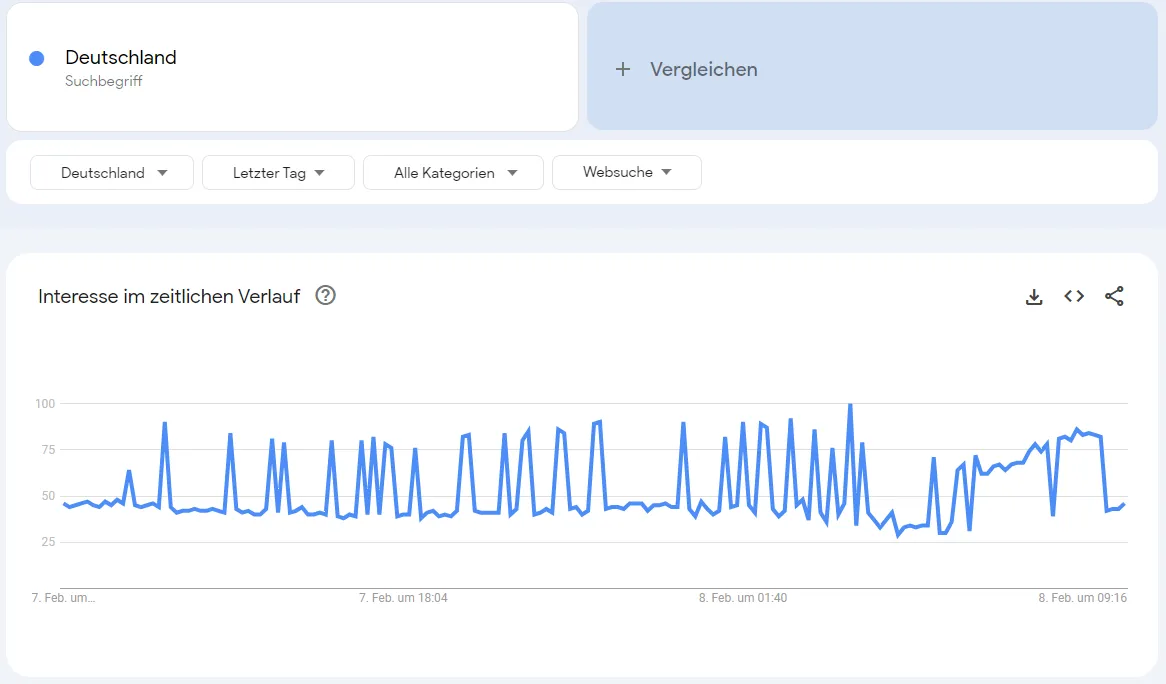
Google Suggest: a tool for the most popular search queries
Google Suggest, also known as Google Autocomplete, is a feature that suggests matching keywords and keyword combinations to users when they enter the first few letters in the search field. According to Google, these suggestions are based on the most frequently used search terms in the respective context, which means that Google Suggest often serves as an initial guide when searching for relevant keywords. The Benefit The importance of Google Suggest for keyword research can hardly be overestimated. This feature not only provides real, timely insights into the most current and relevant search trends, but also provides inspiration for long-tail keywords that can be crucial to an effective SEO strategy. Because Google Suggest reflects users’ search queries in real time, you gain valuable insight into the direct interests and needs of your target group. Google Suggest is not only a unique tool for direct searches, but also a valuable resource for keyword research as part of a comprehensive SEO and content marketing strategy. The ability to quickly identify the most searched terms and phrases makes it an essential tool for anyone looking to maximize the visibility and reach of their online content. 
Selection of paid keyword tools
With the basics out of the way, we turn our attention to advanced instruments that require investment. These paid tools provide deeper insight into keyword analysis that goes far beyond basic functionality. They enable more precise strategy planning through detailed analysis of keyword trends, competitor activity, and more.
Mangools Keyword Finder: Your tool for low-competition long-tail keywords
The Mangools Keyword Finder is characterized by its user-friendly interface and attractive design. The website promises that it will help users find long-tail keywords “with low SEO competition.” After a search term has been entered, the tool lists related terms within a few seconds - including information about their search volume and average click price. However, these functions are only available to account holders. Keyword difficulty analysis A particularly interesting feature of the Mangools Keyword Finder is the keyword difficulty analysis. This key figure, together with the search results displayed, provides a valuable first impression of the competitive situation among competitors. This insight allows users to make strategically smart decisions when choosing their keywords to effectively improve their search engine visibility. Price structure Mangools is initially offering its keyword finder in a test phase, which allows interested parties to explore the tool without obligation. The service is then available for a price of $29 to $129 per month, depending on the functionality users need.
Keywordtool Pro: A comprehensive tool for your research
Keyword Tool Pro stands out as an extremely powerful keyword research tool that generates several hundred relevant keywords for every search term entered. This tool offers users the flexibility to choose between different languages and platforms such as Google, YouTube, Instagram or Amazon, making it a versatile helper in digital marketing strategy. A particularly practical function is the ability to copy the results with just one click and export them for further analysis, for example in Excel. Pricing and accessibility The costs vary between 69 and 159 euros per month depending on the range of functions selected. Interestingly, Keywordtool also offers a free version, which has fewer features but is still a good starting point for users who want to gain some experience with keyword research. This free version can be particularly useful for beginners and smaller projects to understand the basics of keyword research before investing in more extensive functions. Keywordtool is therefore ideal for those who want to carry out in-depth and broad keyword research. With its ability to generate a large number of keywords and the flexibility to perform searches on different platforms and in multiple languages, it represents an essential tool for anyone looking to optimize their SEO strategy and online presence. The availability of a free version also makes it accessible to a wider audience who want to delve into the world of keyword research. 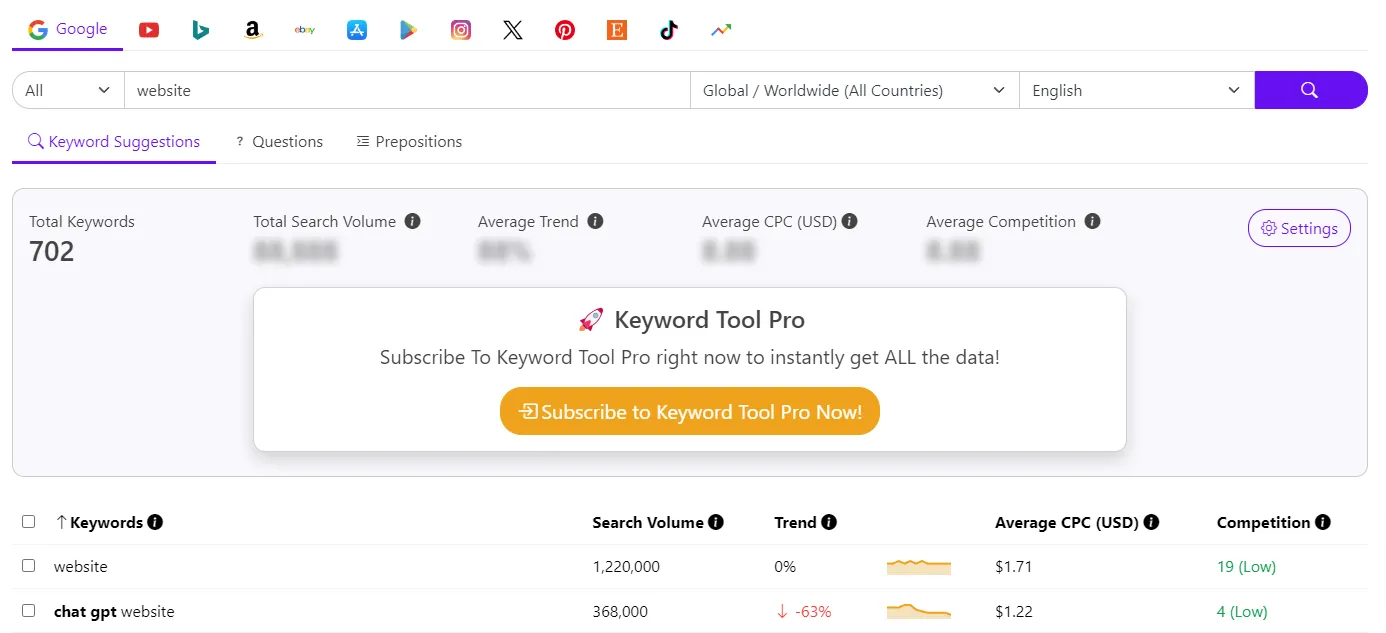
Moz Keyword Explorer: Precise metrics for your SEO strategy
The Moz Keyword Explorer is part of the paid Moz Pro service and, despite its free, albeit very limited version, offers valuable insights for keyword research. This tool stands out by providing search volumes in a more precise from-to range, which is a significant improvement over Google Keyword Planner’s often rough estimates. Users also benefit from insights into a keyword’s organic click-through rate (CTR), competitive difficulty, and potential, allowing for a more informed assessment of the competitive landscape. For deeper SEO analysis and a larger number of keyword queries, Moz Pro offers extensive features starting at $99 per month. This investment opens up access to a variety of SEO tools that not only assist with keyword research, but also website performance monitoring, link analysis, and many other aspects of search engine optimization. Limited but valuable free use The free version of Keyword Explorer allows up to three keyword queries per day, making it practical for occasional research. Although this limitation significantly limits the possible uses, the tool can still provide valuable insights for smaller projects or for the initial investigation of a new market.
Keyword tools with reliable data
For keyword research, useful data sources, practical exports and the ability to sort terms by search intent and competition matter most. Before choosing a tool, check that it is actively maintained and that its data fits your market. Always add input from sales and customer service: their conversations reveal wording that no keyword export can show. 
Discover free keyword tools
Finally, let’s take a look at free keyword tools. Despite their limited features, they are an excellent resource for beginners or smaller projects. These tools can help you gain an initial insight into the world of keyword research without having to invest any financial resources.
Seorch Suggest: Your Long-Tail Keyword Research Assistant
Seorch Suggest is a specialized tool that helps you quickly and efficiently identify long-tail keyword variants for your chosen search terms. This powerful tool leverages the autocomplete capabilities of leading search engines and platforms such as Google, Yandex, Amazon, YouTube, eBay, Wikipedia, Yahoo, Google Shopping, Google News and Bing. With this broad coverage, Seorch Suggest provides a comprehensive perspective on the most searched terms and phrases related to your original keyword. Efficient organization and export features The results generated by Seorch Suggest are sorted by frequency in descending order, allowing you to quickly identify the most relevant and popular long-tail keywords. An additional advantage of this tool is the ability to export the results as a CSV file. This feature allows data to be seamlessly integrated into other keyword analysis tools such as Google Keyword Planner for more in-depth research.
Soovle: A panorama of keywords across various platforms
Soovle gives users a broad view of relevant keywords across a variety of platforms, including Wikipedia, YouTube and Amazon. This tool is particularly useful for getting an initial overview of the search terms that are important in different online environments. It provides a valuable perspective for the initial stages of keyword research, especially for users planning a strategy across multiple channels. Restrictions in handling A disadvantage of Soovle is that the generated keywords cannot be exported directly, which makes further processing of the data difficult. This limitation makes Soovle less suitable for users looking for a way to create extensive keyword lists for detailed analysis. Nevertheless, the tool offers a valuable starting point for gaining insights into search behavior across different platforms. Continue working with lessons learned Despite the lack of export functionality and limited search volume information, Soovle provides a solid basis for initial idea generation. Users can use the high-level information about relevant search terms to deepen their research and conduct more targeted analysis with other tools that provide more detailed data on search volume and other relevant metrics. 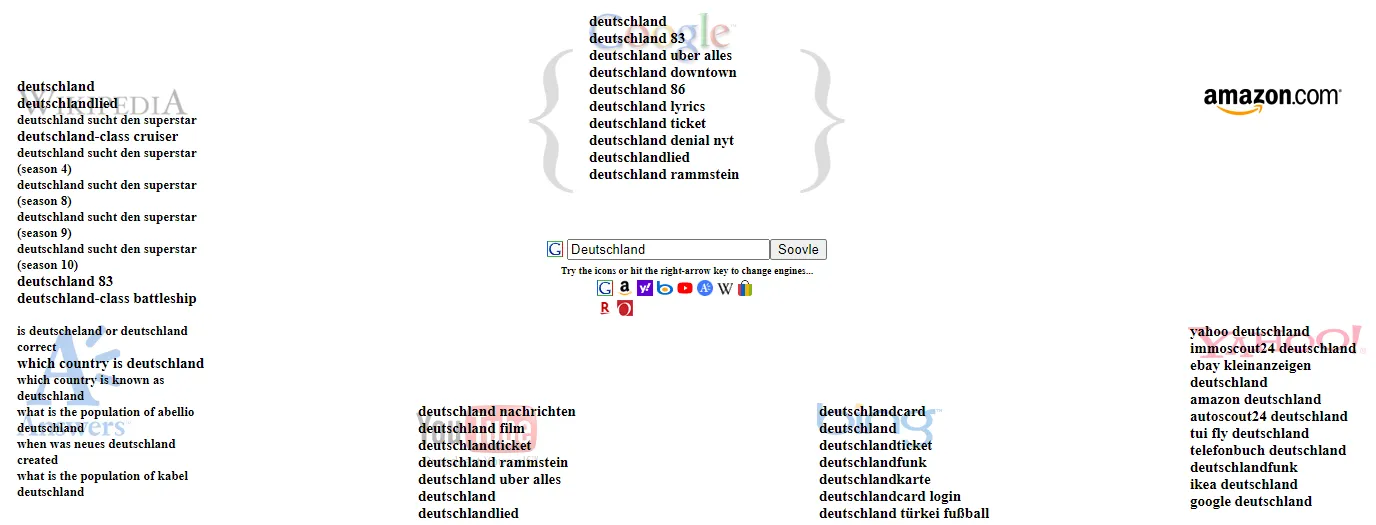
Conclusion
The selection of keyword research tools ranges from basic offerings like Google Keyword Planner to advanced solutions like Keywordtool Pro and Moz Keyword Explorer that enable more in-depth analysis. Each tool has its own strengths and serves different purposes, from initial idea generation to detailed competitive analysis. Choosing the right tool depends on your keyword research goals, budget, and need for detailed analysis. It is important that no tool alone guarantees success; Rather, strategic use and combination of different tools is crucial to achieve effective SEO results. Keyword research remains a dynamic process that requires continuous adaptation and learning to keep up with changes in search trends and algorithms.